
Makeup for Every Occasion: Looks for Work, Events and More
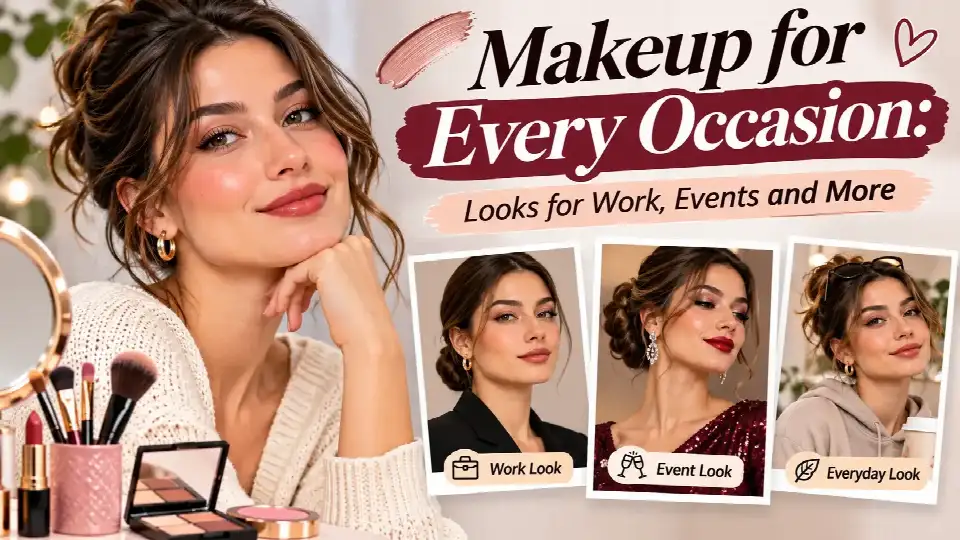
The right makeup for every occasion comes down to three things: how long you need it to last, the light you'll be seen in and how formal the event is. Work and daytime events suit a light, natural base; evening events, weddings and photos call for longer-wearing formulas and more definition.
This guide helps you match your makeup to your day, whether that's a job interview, a wedding, a holiday party or an early flight. Each section links to a step-by-step guide for that occasion. If you're still learning the basics, start with makeup steps in order, because every look below builds on that routine.
How to choose makeup for any occasion
Before you pick a look, ask yourself three questions. The answers decide your products more than the event name does.
- How long does it need to last? A two-hour lunch is very different from a fourteen-hour wedding day. Longer days need a primer, long-wear or waterproof formulas and a setting step.
- What light will you be in? Daylight shows every edge, so blend more and use less. Evening light and candlelight soften everything, so you can add more color and shine.
- How formal is it? The dressier the event, the more definition you can add: a fuller lash, a defined lip, a soft contour.
Your features matter too. The same smokey eye looks different on hooded, round or almond eyes, so it helps to find your eye shape first. Your skin type decides your formulas: a dewy base that looks fresh on dry skin can turn shiny on oily skin by evening. Our guide to makeup for your skin type explains which textures to choose.
| Occasion | Base | Eyes | Lips | Make it last with |
|---|---|---|---|---|
| Work and interviews | Light, natural coverage | Neutral shadow, brown or black mascara | Soft nude or rosy | Thin layers, light powder |
| Parties and nights out | Medium coverage, some glow | More definition, shimmer or liner | Bolder color | Primer, setting spray |
| Weddings and ceremonies | Long-wear, photo-friendly | Waterproof mascara, soft definition | Long-wear lip with liner | Primer, setting powder, touch-up kit |
| Photos and video | Even, matte or satin finish | Defined lashes and brows | Slightly deeper than usual | Blotting papers |
| Heat, sport and travel | Minimal or skin tint | Waterproof or tubing mascara | Tinted balm | Water-resistant formulas |
Parties and nights out
Evening events are where you can play with shimmer, color and a stronger lip. The main job is making it last through food, drinks and dancing.
- Holiday parties: a little sparkle, a warm lip and a base that holds up for hours. See holiday party makeup for festive looks that last all night.
- Matching your dress: your outfit color changes which lip and eye shades look best. There are guides for makeup with a red dress, makeup with a black dress, makeup with a green dress and makeup with a blue dress.
- Date night: soft, touchable makeup that looks good up close works best. Here are date night makeup ideas for dinner, drinks or a movie.
- Concerts: heat, crowds and dancing call for sweat-resistant products and a little fun. Our concert makeup guide covers both.
- Prom: a look that photographs well and survives a long night. See prom makeup for natural and glam options.
Weddings, graduations and other big days
Ceremonies are long, emotional and photographed from every angle. Choose long-wear formulas and waterproof mascara, and keep a small touch-up kit in your bag.
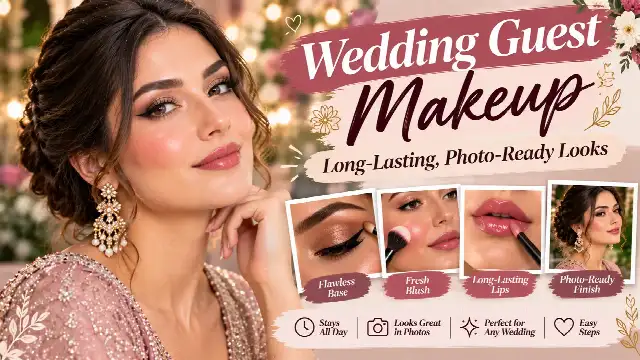
- Wedding guests: our wedding guest makeup guide shows photo-ready looks that don't compete with the bride.
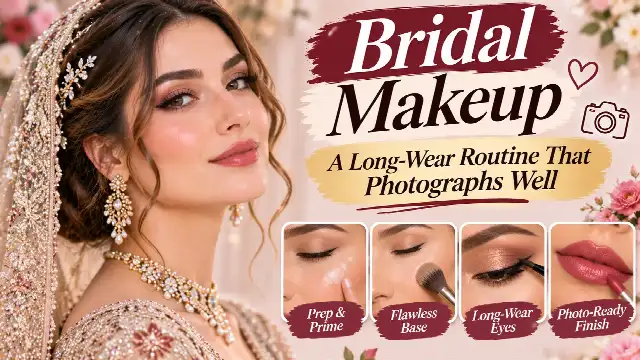
- Brides: the bridal makeup routine covers long-wear prep, a trial run and the touch-up plan.
- Graduations: daylight, a cap and a lot of photos. See graduation makeup.
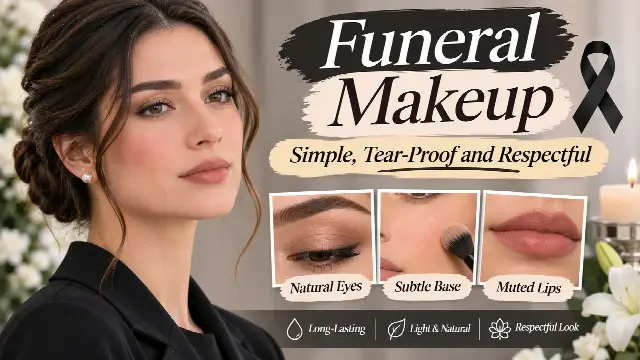
- Funerals and memorials: keep it simple, soft and tear-proof. Our funeral makeup guide explains how to stay put together on a hard day.
Work, interviews and the camera
At work, makeup should make you look rested and polished, not "done." On camera, it needs a little more definition, because screens and flash flatten your features.
- Job interviews: a calm, polished look you can do quickly. See interview makeup.
- Video calls: webcams and ring lights change how color reads. Our makeup for Zoom calls guide shows what to add and what to skip.
- Professional photos: headshot makeup keeps you looking like yourself, only fresher, and our makeup for photos guide explains how to avoid shine and flashback.
- Long shifts: nurses and anyone on a twelve-hour day need low-maintenance makeup that survives masks and long hours. Here's makeup for nurses.
Heat, sport and travel
Some days are about surviving the conditions. Less product usually lasts longer than more.
- Hot, humid days: see sweat-proof makeup for formulas and techniques that hold up in the heat.
- Pool and beach days: our waterproof makeup for swimming guide explains what really stays on in the water.
- Workouts: most people are better off with little or no makeup at the gym. Read makeup at the gym for what to keep and what to skip.
- Flights: cabin air is dry, so skin care matters as much as makeup. See makeup for long flights.
- Face masks: a mask rubs makeup off and can trap it against your skin. Our guide to makeup with a face mask shows how to stop transfer.
Official photos and medical appointments
Here the question changes from "what looks good?" to "what's allowed?" Rules come from the agency or the clinic, so always check with them before you go.
- Passport photos: read what makeup is allowed in a passport photo before your appointment.
- Driver's license photos: DMV rules vary, so see our driver's license photo makeup guide.
- MRI scans: some products can matter in the scanner. See makeup and MRI scans and confirm with the imaging center.
- Mammograms: see makeup and deodorant before a mammogram, then follow your clinic's instructions.
- Surgery: hospitals often give their own instructions about makeup and nail polish. Our makeup before surgery guide explains what to ask.
Event makeup habits that protect your skin and eyes
Whatever the occasion, a few habits matter more than any product. These come from the U.S. Food and Drug Administration and the American Academy of Dermatology.
- Don't share eye makeup. The FDA advises against sharing or swapping eye cosmetics, even with close friends. If you try a store tester before an event, use a single-use applicator such as a clean cotton swab.
- Don't do your eye makeup in a moving car. The FDA warns that a bump or sudden stop can scratch your eye with an applicator. Finish your liner and mascara before you leave.
- Replace old mascara. The FDA suggests throwing mascara away two to four months after you buy it, and never adding water or saliva to a dried-out tube.
- Choose non-comedogenic products if you break out. The AAD recommends formulas labeled oil-free, non-comedogenic or "won't clog pores" for acne-prone skin.
- Take it all off before bed. The AAD advises removing all makeup, including eye makeup, before you sleep, even after a late night.
Clean tools make every look go on better too. Our makeup hygiene guide covers cleaning, storing and replacing your products.
FAQ
How do I make makeup last all day at an event?
Start with clean, moisturized skin and a primer suited to your skin type. Use thin layers rather than one heavy one, choose long-wear or waterproof formulas for eyes and lips, and set your base with powder or setting spray. Carry blotting papers, your lipstick and a small brush for touch-ups.
Should my makeup match my outfit?
Your makeup should work with your outfit, not copy it. Pick one feature to focus on, either eyes or lips, and keep the rest softer. A bold dress color often looks best with neutral eyes and a lip shade that suits your skin tone rather than an exact color match.
Do I need different makeup for photos than in person?
Usually you need a little more definition and a little less shine. Cameras flatten features, so slightly fuller brows and lashes and a deeper lip help. Blot shiny areas before photos, and test your look with your phone camera and flash before the event.
Should I do my hair or makeup first for an event?
It depends on the products and the look. Heat styling and hairspray can disturb fresh makeup, while some makeup steps can transfer onto hair. Our guide on hair or makeup first walks through the best order for each situation.
Sources
- Eye Cosmetic Safety, U.S. Food and Drug Administration (accessed Nov 17, 2026)
- I Have Acne! Is It Okay to Wear Makeup?, American Academy of Dermatology (accessed Nov 17, 2026)
- 10 Skin Care Secrets for Healthier-Looking Skin, American Academy of Dermatology (accessed Nov 17, 2026)
Spotted a mistake or something out of date? Email contact@stylifyo.com and we will check it.